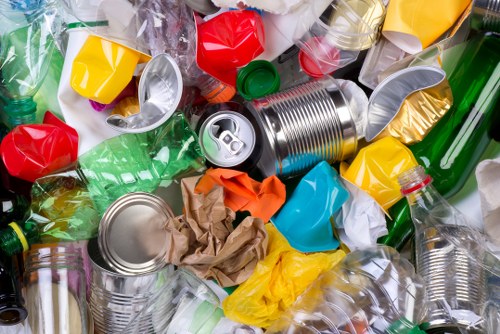
Health and Safety Policy for Commercial Waste Redhill
Purpose: This policy sets out the commitment of our commercial waste operation to protect the health, safety and welfare of employees, contractors and the public. It applies to all activities associated with the collection, handling, transport and disposal of business refuse and commercial rubbish in and around the service area. The policy aims to minimise risk through clear responsibilities, robust procedures and regular review to ensure safe, compliant rubbish collection and Redhill commercial waste services.Scope and responsibilities
The policy covers all forms of business waste, including mixed commercial waste, recyclable materials and non-hazardous rubbish removal. Management is responsible for providing resources and leadership, while supervisors and operatives are responsible for following safe methods. Every employee has a duty to report hazards and cooperate with safety measures. All staff must be familiar with their roles, and training will be documented to maintain high standards across commercial waste Redhill operations.
Risk assessment and control measures
Risk assessments will be undertaken for routine and non-routine tasks to identify hazards such as manual handling, vehicle movements, sharps or contaminated waste, slips, trips and falls. Controls include:- Elimination or reduction of hazards where practicable
- Safe systems of work for loading, unloading and segregation
- PPE provision and mandatory use where risks remain
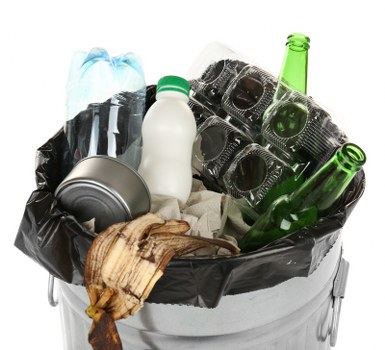 Training, competence and supervision: All operatives engaged in commercial rubbish collection will receive appropriate induction, refresher training and job-specific instruction. Supervisors will assess competence and provide on-the-job coaching. Records of training and qualifications will be maintained. Competent supervision ensures that safe practice is followed during collections, transfers and depot activities related to Redhill commercial waste operations.
Vehicle safety and traffic management: Vehicles used for rubbish removal must be maintained to a safe standard and inspected daily. Drivers must follow safe loading limits, secure loads and adhere to permitted routes and parking controls to reduce risks to road users and pedestrians. Strict vehicle checks and defect reporting procedures will be implemented to prevent avoidable incidents.
Manual handling and health: Manual handling tasks will be minimised through mechanical aids, trolleys and appropriate container choices. Where lifting remains necessary, training in correct techniques and team lifting will be enforced. Health surveillance may be provided for tasks with identified risks. The company promotes ergonomic working and encourages reporting of discomfort early to prevent long-term injury in the commercial waste sector.
Personal Protective Equipment and hygiene
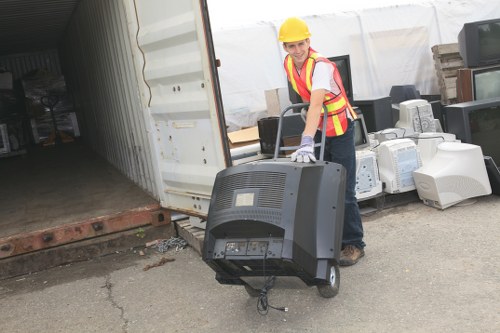
PPE such as gloves, hi-vis clothing, eye protection and safety boots are mandatory for operational staff. PPE selection will match task-specific hazards and be maintained, replaced and used correctly. Facilities for handwashing and decontamination are provided to reduce exposure to contaminants and ensure safe, hygienic handling of rubbish and business waste.Incident reporting and emergency procedures: All accidents, incidents and near misses must be reported promptly and investigated to identify root causes. Emergency arrangements cover spills, fires, vehicle incidents and exposure to hazardous substances. Evacuation procedures and first-aid provisions will be in place and regularly tested. Lessons learned will feed into continuous improvement of safety measures across the rubbish removal service area.
Monitoring, review and continuous improvement
The effectiveness of this health and safety policy will be monitored through audits, inspections and performance metrics. Management will review the policy at planned intervals or after significant changes or incidents. Commitment to improvement means corrective actions are implemented, and best practices in commercial waste management are adopted to protect people and the environment while delivering reliable Redhill commercial waste services.Communication and consultation: Safety information and operational changes will be communicated to staff, contractors and relevant stakeholders. Consultation with employees encourages ownership of safety practices and supports behavioural change. Regular safety briefings and toolbox talks will emphasise key topics such as vehicle movement controls, safe manual handling, segregation of recyclables and management of potentially harmful waste streams.
Compliance and legal obligations: The company will comply with applicable health and safety legislation and industry standards relevant to commercial waste and rubbish collection. Policies and procedures will align with statutory duties to ensure operations meet regulatory expectations while delivering efficient, responsible waste services across the service area.
Policy adoption: This health and safety policy is endorsed by senior management and applies to everyone working on behalf of the company. Through clear accountabilities, adequate resources, and ongoing training, the organisation commits to a safe working environment that minimises harm and supports effective, sustainable commercial waste and rubbish services.
