Commercial Waste in Redhill for regular collections and one-off clearances
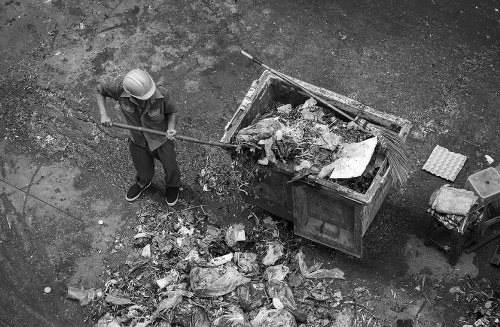
Commercial waste in Redhill needs a service that is orderly, adaptable and clear about what can be removed. For shops, offices, workshops, hospitality venues and managed premises, the main task is to keep unwanted material moving out of the building without disrupting day-to-day trading. That can include general business rubbish, packaging, mixed recyclables and bulky items that are no longer needed. The aim is straightforward: reduce clutter, keep shared areas usable and make disposal easier to plan.
We focus on practical waste removal support that suits the scale of the job, from scheduled collections to occasional clearances after a refit, stock change or office tidy-up. Where different waste streams need separating, it helps to approach them sensibly rather than treat everything as the same load. Good sorting at source can make collections cleaner and easier to manage, while still leaving room for materials that have to be lifted, carried and loaded quickly.
For a clear plan, start with the kind of waste you have and the access available on site. If you are comparing options, look through the service pages below and then request a quotation when you are ready. You can also use the pricing and quote information before deciding how often you want collections.
Business waste removal for day-to-day commercial loads
Business waste removal is the core service for premises that produce steady rubbish during normal operations. Offices may have paper, cartons, packaging and out-of-date equipment; retail premises may have shelf packaging, display waste and mixed bags; trade units may accumulate offcuts, wrapping and redundant stock. The work is about moving these materials out reliably and leaving the premises clear enough for staff to continue working. In many cases, the best solution is a planned routine rather than waiting for waste to build up.
Different business types generate different mixes, so the collection method should reflect the material rather than force every job into one pattern. A workplace with mainly dry recyclables has different handling needs from one with heavier mixed waste or items that need dismantling first. If you want to compare related services, the business waste removal page is a useful place to begin, while office clearance is better suited to desks, chairs, storage and other workplace contents that need clearing in a single visit.
Useful ways to plan a regular collection
Regular commercial collections work best when the waste is easy to access and the type of material is understood in advance. It is sensible to separate items that can be recycled from general rubbish where the site layout makes that practical. Keep an eye on storage space, bin location and the time it takes for waste to leave the premises, because those practical details influence how smooth the service is. If you are arranging a larger clear-out, the waste removal page covers broader mixed loads and can help you decide whether a single clearance or an ongoing collection pattern is the better fit.
Office clearance, confidential material and workspace contents

Office clearance usually involves a mixture of furniture, storage items, archive material and equipment that is no longer needed. Desks, chairs, cabinets, shelving and reception items can all form part of the same clearance, especially when a business is reorganising or vacating a floor. The main advantage of a structured clearance is that it removes bulky items in a controlled way while keeping the remaining workspace usable for staff or contractors. It also helps when rooms must be emptied in stages rather than all at once.
Where paper records or sensitive documents are involved, some customers prefer a separate process for secure destruction. That is where confidential shredding can be useful, because it is aimed at material that should be handled differently from standard office waste. If the priority is a broader internal tidy-up, the office clearance page supports planning for larger workplace contents, while the pricing and quotes page can help when you want to understand how the type and volume of items affect the quotation.
For office work, it helps to keep a short list of the main items involved and whether they are to be removed from one room or several. That makes it easier to describe the job clearly. A sensible preparation step is to note which items are reusable, which are simply waste and which may need separate handling because of size or composition. If you are ready to move forward, request a quotation once you have the basic item list together.
Clearances for households, flats and mixed contents
Although this page is focused on commercial waste, many customers also need help with contents clearances that resemble domestic jobs in scale or access. A flat above a parade of shops, a small rented property used for staff accommodation or a mixed-use building may all create the need for a tidy, organised clearance. The work may include bags, small furniture, appliances and general unwanted belongings. In these cases, the aim is still to remove items sensibly and leave the space ready for the next stage.
If you are dealing with a property rather than a workplace, the relevant service pages can help narrow the request. The flat clearance page is suited to upper-floor or compact living spaces, while home clearance covers broader household contents and the house clearance page is helpful when the whole property needs attention. For smaller room-by-room jobs, loft clearance and garage clearance can be useful references if you want a more specific description of the work involved.
These pages are not there to make the job sound more complicated than it is; they simply help you match the right service name to the right kind of contents. If a mixed property contains both domestic and business items, it is usually best to describe the load as clearly as possible, then ask for advice on the most practical collection method. That approach saves time and keeps the quotation accurate.
Furniture, appliances and bulky item disposal

Many commercial clearances are really about bulky objects rather than loose rubbish. Chairs, tables, cabinets, reception units, shelving and display furniture often need to be taken apart or carried out in sections. Larger soft furnishings and sleeping items may also appear in staff rooms, short-term lets or managed buildings. When these items are no longer needed, the job is to remove them cleanly, keep the route clear and deal with them in a way that suits the type of object.
The service pages for specific bulky items can help you decide how to describe what needs removing. furniture clearance is useful when the main concern is mixed furniture rather than ordinary rubbish, while furniture disposal suits items that have already reached the point where removal and disposal are the main tasks. For larger soft items, mattress and sofa disposal gives a more focused reference, and appliance jobs can be matched to fridge and appliance removal when white goods or electrical units are involved.
Where a space contains a combination of furniture and everyday refuse, the practical choice is often to group the items by size and handling difficulty. Heavier units need more planning than bagged waste, and appliances may need extra attention because of their weight or shape. The clearer the list, the easier it is to judge whether a single visit will do the work or whether the job is better split into stages.
Builders’ waste, refurbishment waste and site debris
Commercial premises often produce waste during maintenance, fitting-out or small renovation projects. That can include timber offcuts, plasterboard, packaging, old fixtures, broken shelving and other material left behind after a strip-out or installation. Builders’ waste is different from routine business rubbish because it tends to be heavier, dustier and more varied in shape. A sensible service has to cope with awkward loads as well as plain bags, and it needs enough flexibility to deal with a site that is still partly in use.
If your project is creating demolition debris or refit waste, the builders' waste clearance page is the closest match. For situations where mixed waste has accumulated beyond the point of an ordinary collection, the broader waste removal page gives context for one-off loads, while book online is a practical destination if you already know what needs taking away and want to progress the arrangement quickly.
What usually affects the price
Quotation levels are normally shaped by the amount of waste, the type of material, loading access and any extra handling needed on site. A compact load at ground level is simpler than multiple floors of heavy items or mixed debris that must be sorted before removal. If waste is spread across several rooms, or if it includes awkward pieces that must be dismantled, that can also affect the work involved. A clear description helps keep the estimate realistic and avoids surprises later.
Specialist disposal for garden, hazardous and unusual material
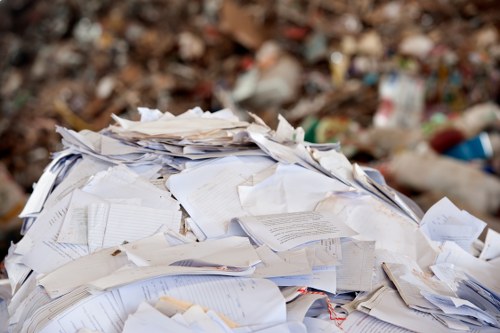
Some commercial sites produce waste that does not fit neatly into the standard mixed-load category. Outdoor areas, landscaping work, maintenance contracts and storage yards can create green waste, soil, branches and similar material, while some operations also need attention to controlled or unusual waste streams. These jobs call for a more specific approach because the material is shaped by its contents rather than simply by volume. A careful description matters here, especially where items need a different route from normal refuse.
For outdoor clearances, garden clearance is the most direct page to use. When a load contains regulated or difficult material, the hazardous waste disposal page is the better reference, because the handling requirements are not the same as standard waste removal. If you are trying to work out what belongs in a mixed skip or container, the what can go in a skip page may also help you think through the sort of material you have.
These categories are worth separating at the quotation stage because the right disposal route depends on what the material actually is. It is better to describe the load plainly than to use a broad label that hides the details. For example, a site with cuttings, broken fittings and standard rubbish may need a different arrangement from one dealing with a chemical residue or specialist waste container. When in doubt, list the main items first and ask for guidance.
Recycling, sustainability and disposal choices
Many customers want waste removed in a way that takes recycling seriously without making the job harder to manage. That means thinking about what can be separated, what is still reusable and what simply needs to be taken away as mixed waste. A practical collection service should make those choices easier, not more confusing. It is usually most effective to work from the material on site, then decide which items belong in a recycling stream and which do not.
The recycling and sustainability page is useful if you want to understand the general approach to responsible disposal across different waste types. Where the job contains both furniture and mixed rubbish, the service pages for furniture clearance and business waste removal can help you separate the likely parts of the load before asking for a price. That is often enough to give a clearer quotation and a more efficient collection plan.
Responsible disposal is mostly about matching the right material to the right route. Some items are best suited to recycling, others to specialist handling and some to general removal. If the waste is mixed, an honest description is more useful than trying to simplify it too far. A good enquiry usually starts with a brief list of categories rather than a long explanation.
About Redhill
Redhill is a town in Surrey that grew significantly with the arrival of the railway in the nineteenth century, and that transport history still shapes the place today. It lies close to Reigate and forms part of a wider urban area in the borough of Reigate and Banstead. The town centre combines later commercial development with older streets and buildings, while the rail links have made it an important local meeting point for travel across the county and towards London. The station area is one of the strongest reminders of the town’s growth as a connected settlement rather than a historic village core. Redhill’s modern identity is mixed and practical: offices, shops, civic buildings and housing sit alongside the roads and public spaces that support daily movement in and out of the centre.
The town also has a strong relationship with nearby open space. Earlswood Lakes lies to the north-west of the centre and provides a notable stretch of water and countryside close to the built-up area. Elsewhere, local parks and green corners soften the urban grain, while the wider landscape toward Reigate and the North Downs gives the area a sense of edge and transition. Redhill’s built form includes Victorian and later terraces, commercial frontages and post-war additions, so the town reads as a layered place rather than one defined by a single architectural period. Cultural life is shaped by everyday commerce, local schools, transport use and community activities, which together give the town a busy but familiar character.
Quotation details, access and collection planning

When you request a quotation for commercial waste, the most useful details are usually the type of waste, the approximate amount and the access conditions. Stairs, narrow corridors, loading points and parking all affect how the work is carried out. It also helps to mention whether items are already bagged, stacked, dismantled or still in place, because that changes the time and handling required. A short description is often enough if it is accurate and specific.
If the job is straightforward, the pricing and quotes page is a good place to start before you contact us. If you already know the service you need, the relevant service page is usually the clearest route, whether that is office clearance, builders' waste clearance or business waste removal. For customers who prefer to organise the job without delay, use the details you already have and keep the description short and factual.
Request a quotation when you are ready and tell us what needs to go, how much there is and where it is located. That is normally enough to begin a clear conversation about the right service and the most sensible way to remove the waste. If your load is mixed, mention the main categories first and we can work from there.